


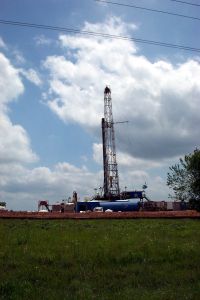
Another recent study, this one by the American Petroleum Institute (API), a national association that represents the oil and gas industry, has shown how drilling and spending on shale oil and gas boomed in 2011. This report stated that 10,731 shale oil and natural gas wells were drilled and $65.5 billion was expended in that year alone. Just a few years ago, in 2009, there were only 5,531 such wells and 7,077 shale wells. Almost twice as many shale gas wells were drilled in 2011 as the year before, with 6,759 drilled in 2011 compared to 3,414 in 2010.
This is great news for the American oil and industry, especially for those states like Texas rich in shale oil and gas. The number of wells drilled was up 43.8 percent from 2010, and drilling expenditures were up 87.6 percent in the same time frame. Shale gas drilling expenditures accounted for more than half of all drilling expenses in 2011, up from only one-fourth in 2009. Shale wells now account for almost a quarter of all wells drilled in the US–API’s Statistics Director Hazem Arafa estimates it at 23%.
Meanwhile, offshore drilling declined in the past years, in large part due to the moratorium after the Deepwater Horizon incident, but picked up again in 2011, with expenditures rising to $8.1 billion. That is still very little compared to the 2009 expenditures of $24.9 billion, but is more than double the 2010 figure of only $4 billion. Overall, all types of wells drilled totaled 44,160 with an expenditure of $124,794,493,000 in 2011, showing the health of the entire industry which supports 9.2 million US jobs and produces $85 million a day in government revenue. This industry represents 7.7% of the US’s total economy and has invested over $2 trillion in the US since 2000, investing in all kinds of energy solutions.
 Utah’s
  The $100 million for this new investment was provided by
 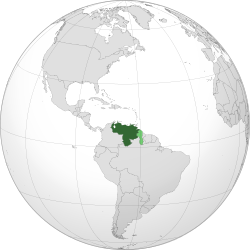 Chavez based much of his popularity on handouts during his 14 years in power. A lot of the money he used for these handouts came from Venezuela’s oil wealth, to the detriment of proper management and maintenance at PDVSA. Since Chavez came to power in 1999, PDVSA’s output has declined by 600,000 barrels per day. The refineries are only working at 60% of capacity. The company employed 30,000 workers in 1999, but currently employees only 115,000. PDVSA has had to rely on Chinese financial support, especially since the company is $85 billion in debt, but even the Chinese show signs of weariness at the mismanagement at PDVSA.
 In terms of the US, we are expected to average 7.3 million barrels per day of oil in 2013, up 900 million barrels since just last year. Our oil imports have been declining since they peaked in 2005, because of this growth in production. Tight oil development in the US and Canada has far outpaced any other region of the world, and the question will continue to be one of the pace of growth.
 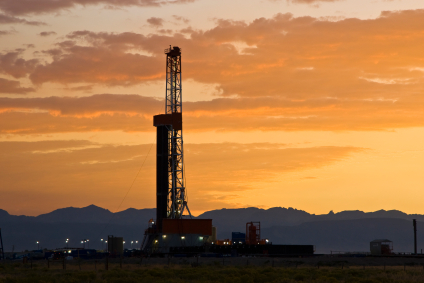 The study also demonstrated the correlation between gas prices and production. It noted that in the early years of drilling, the correlation is weak because it is not very expensive to drill in better quality rock areas, making it efficient even when the prices are low. In later years, when the natural gas is harder and more expensive to retrieve, price becomes the dominant factor.
 DCP and Partners are not the only ones, nor even the most recent, to jump on this bandwagon. In February 2013,